An SUV looks like it belongs on a farm track, but most spend their lives on school runs, the motorway and the supermarket car park. Choosing tyres for one is less about off-road ability and more about weight, height and how the vehicle is really used.
Weight changes the tyre you need
SUVs are heavier than cars of a similar size, and they often carry a full family and luggage. That makes the load index on the sidewall matter. A replacement tyre should match or exceed what the vehicle manufacturer specifies, and some SUVs call for reinforced tyres marked XL (extra load). A tyre with the right size and the wrong load rating isn't the right tyre.
Pick the tread for the roads you drive
- Mostly town and motorway → a highway-terrain or road-focused SUV tyre. It's quieter, lasts longer and is better on fuel.
- Regular gravel roads, baches or beach access → an all-terrain tyre, which handles loose surfaces while still behaving on seal.
- Genuinely off-road → read our guide to all-terrain, highway and mud tyres, written mostly for utes and 4WDs.
Wet grip matters more on a tall vehicle
A higher centre of gravity and more weight make an SUV harder to stop and steady in the wet. That's the area where budget and premium tyres tend to differ most. If you do a lot of wet-weather driving with family on board, it's the one area worth spending a little more on.
All-wheel drive: keep them matched
Many SUVs are all-wheel drive. On these, a big difference in tread depth between tyres can strain the drivetrain, and some manufacturers specify that all four are replaced together. See our guide to replacing two tyres or four for when a pair is fine.
Fit, balance and align
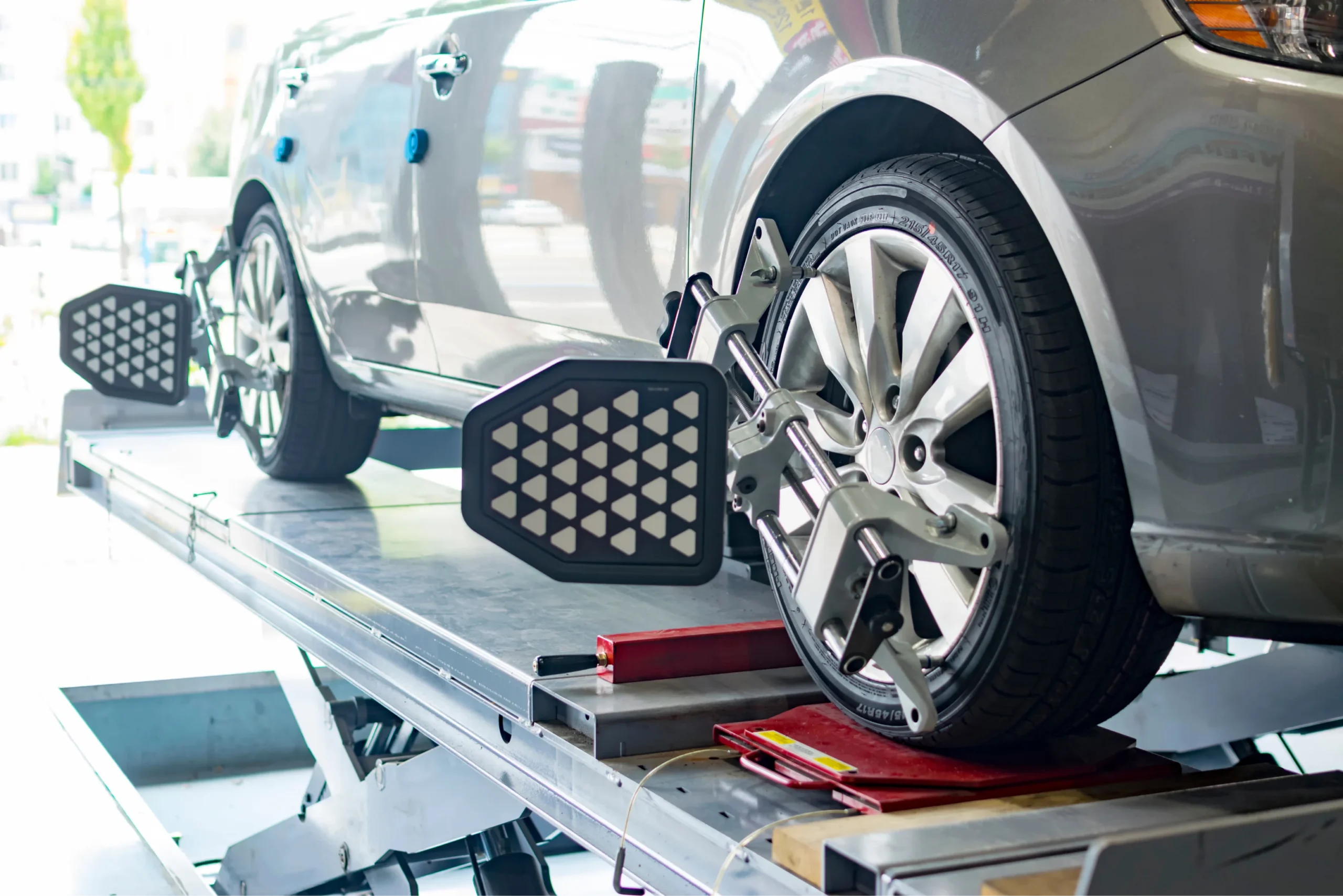
SUV wheels are bigger and heavier, so balancing matters more for a smooth ride. A heavier vehicle that's out of alignment wears its tyres fast. We fit, balance and align in the same visit at 151 Totara Street, Mount Maunganui. Call +64 29 777 7122 with your size and how you use the vehicle, and we'll quote the options that suit.