An electric car doesn't strictly need special tyres. Any tyre of the right size, load rating and speed rating is legal. But EVs ask more of their tyres than a petrol car of the same size, and the tyres they're sold with are usually chosen with that in mind.
Why EVs are harder on tyres
- Weight — the battery makes an EV noticeably heavier than a similar petrol car, often by several hundred kilograms. More weight means more load on every tyre.
- Instant torque — full pulling power from a standstill. Enjoy it often and the tread goes faster, especially on the driven wheels.
- Regenerative braking — the motor slows the car through the tyres, adding to the work they do.
The result is that many EV owners find their tyres wear faster than they're used to. That's normal, not a fault, but it makes alignment and pressures more important.
What to look for in a replacement
- Load rating — match or exceed what the manufacturer specifies. Some EVs need XL or HL (high load) tyres, which have a reinforced construction.
- Low rolling resistance — it has a real effect on range. A tyre that rolls more easily gets you further on a charge.
- Noise — without an engine to cover it, road noise is much more noticeable. Some EV tyres have a foam layer inside to reduce it.
- The original fitment — when in doubt, the tyre the car came with is a good benchmark for what it needs.
Make them last
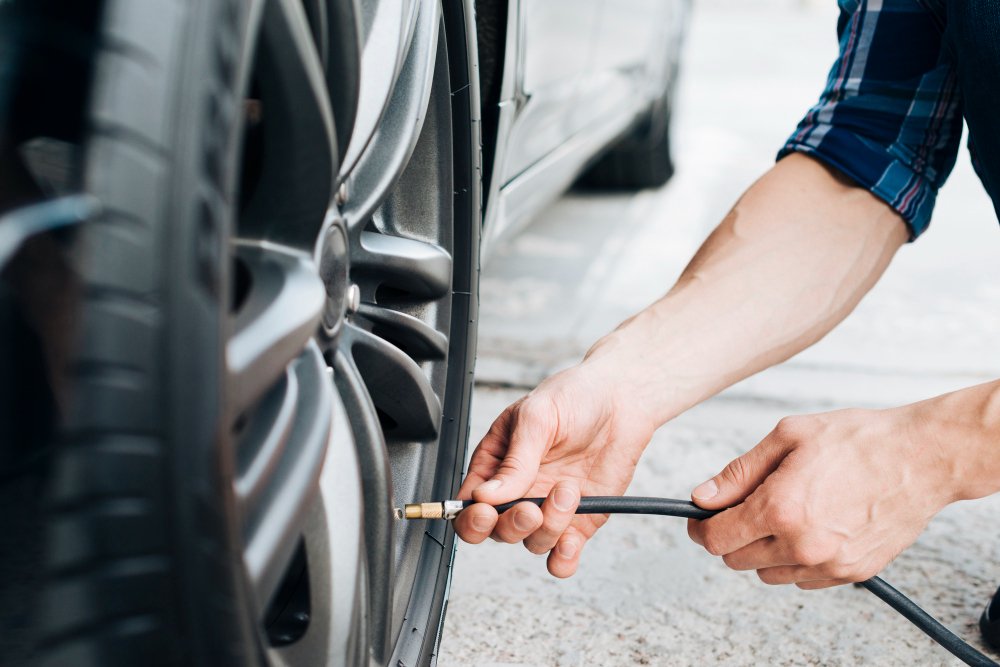
- Check pressures monthly. Underinflation on a heavy car wears the shoulders and costs range.
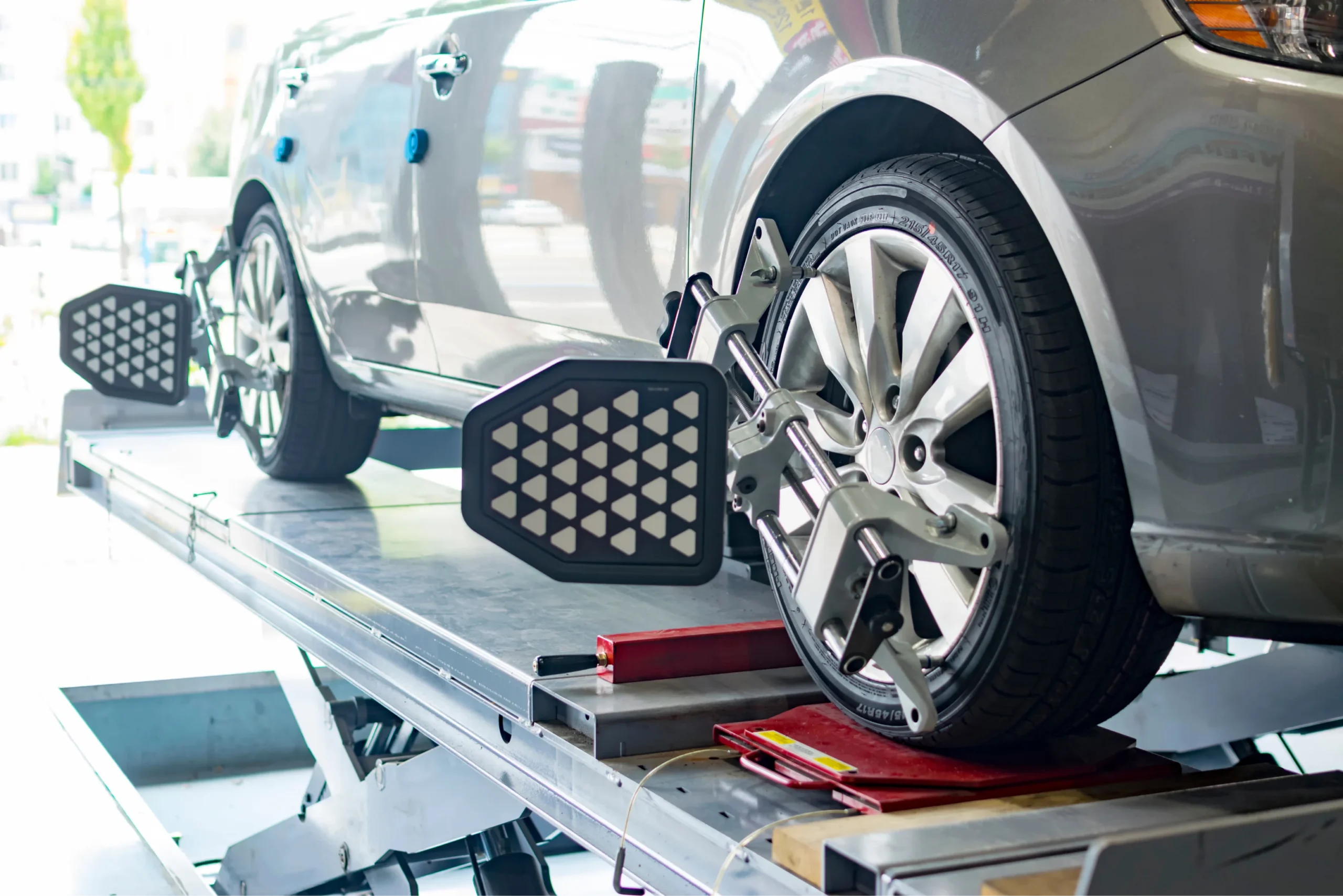
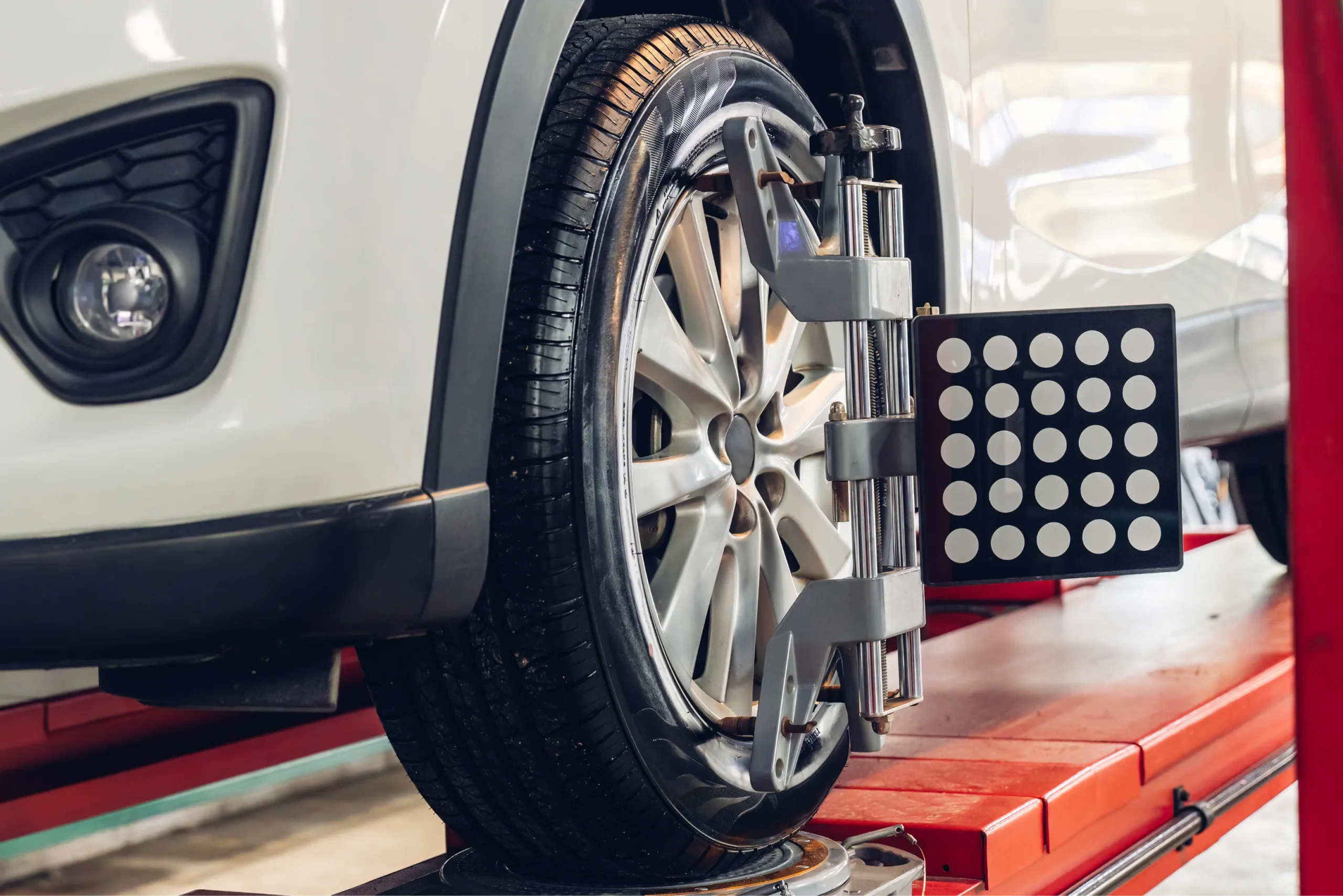
- Have the alignment checked once a year and when new tyres go on.
- Go easy on full-power launches if tyre life matters more to you than the thrill.
We service hybrids and EVs as well as fitting their tyres, so both can be done in one visit at 151 Totara Street, Mount Maunganui. Call +64 29 777 7122 with your size.