Trailer tyres live a different life from car tyres. They do few kilometres, spend months parked in the sun, and boat trailers get dunked in salt water. They almost never wear out. They age, crack and fail, often on the first long trip of summer.
Check before every season
- Sidewall cracking — fine cracks around the sidewall and between the tread blocks mean the rubber is perishing, even with plenty of tread left.
- Age — the last four digits of the DOT code give the week and year it was made. Old trailer tyres are one of the most common causes of roadside blowouts.
- Tread depth — the same 1.5mm minimum as a car applies.
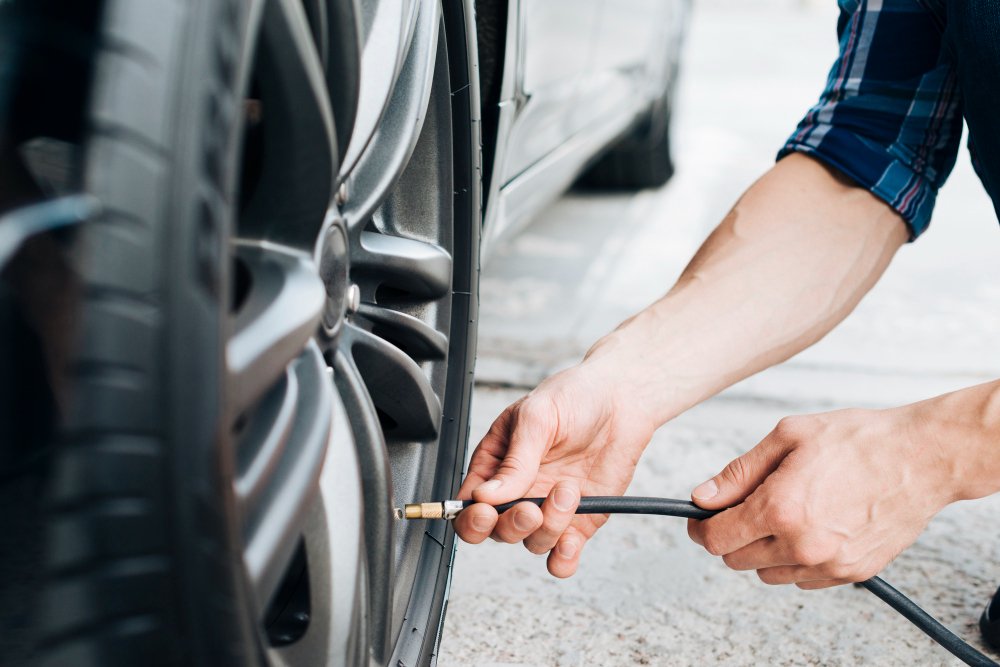
- Pressure — trailers are usually set up for a specific load. A soft trailer tyre under a full boat runs hot and fails.
- The spare — check it as carefully as the others. It's usually the oldest tyre you own.
Boat trailers and salt water
Salt water is hard on everything a boat trailer has: wheel rims corrode, wheel bearings take in water, and corrosion around the rim can let a tyre lose air slowly. Rinse the trailer with fresh water after every launch, and have the bearings and rims checked as well as the tyres. A bearing that fails on the motorway does more damage than a flat tyre.
Load matters
Trailer tyres have to carry the trailer's full laden weight. When replacing them, match the size and load rating to the trailer, not just whatever fits the rim. Light-truck (LT) or trailer-specific construction is often the right choice for heavier boats and caravans.
Trailers need a WOF too
Trailers, boat trailers and caravans need a current Warrant of Fitness, and the tyres are part of the inspection, along with lights, brakes where fitted, the coupling and the chassis. We service and inspect trailers under 3,500kg at 151 Totara Street, Mount Maunganui, and can replace tyres in the same visit. Call +64 29 777 7122 before your first trip of the season.