Winter tyres are standard in parts of Europe and North America, where roads are icy for months at a time. Most New Zealand drivers don't need them, and in the Bay of Plenty almost nobody does. They're not required by law here, and few New Zealand tyre shops keep them as a regular stock item.
What a winter tyre does
Winter tyres use a softer rubber that stays flexible in the cold, with a deeply cut tread that grips snow and slush. Tyre makers generally point to around 7°C as the temperature below which ordinary summer compounds start losing grip. The trade-off is that a winter tyre wears faster and handles less well on warm, dry roads, which is most of the year here.
Who might benefit
- People who live or drive regularly in alpine areas, or on the central plateau roads in winter.
- Regular ski-field trips — though for most people, carrying chains is the practical answer. Ski-field access roads, including on Mt Ruapehu, can require chains to be carried when conditions call for it, so check before you go.
What matters more in a Bay of Plenty winter
Winter here means rain, not snow. The tyre risk is aquaplaning and longer stopping distances on wet roads, and the defence against that is tread depth and the right pressure, not a special compound.
- Tread depth — the legal minimum is 1.5mm, but wet grip falls away well before that. Many tyre makers advise replacing at around 3mm.
- Pressures — cold mornings drop them, so check monthly through winter.
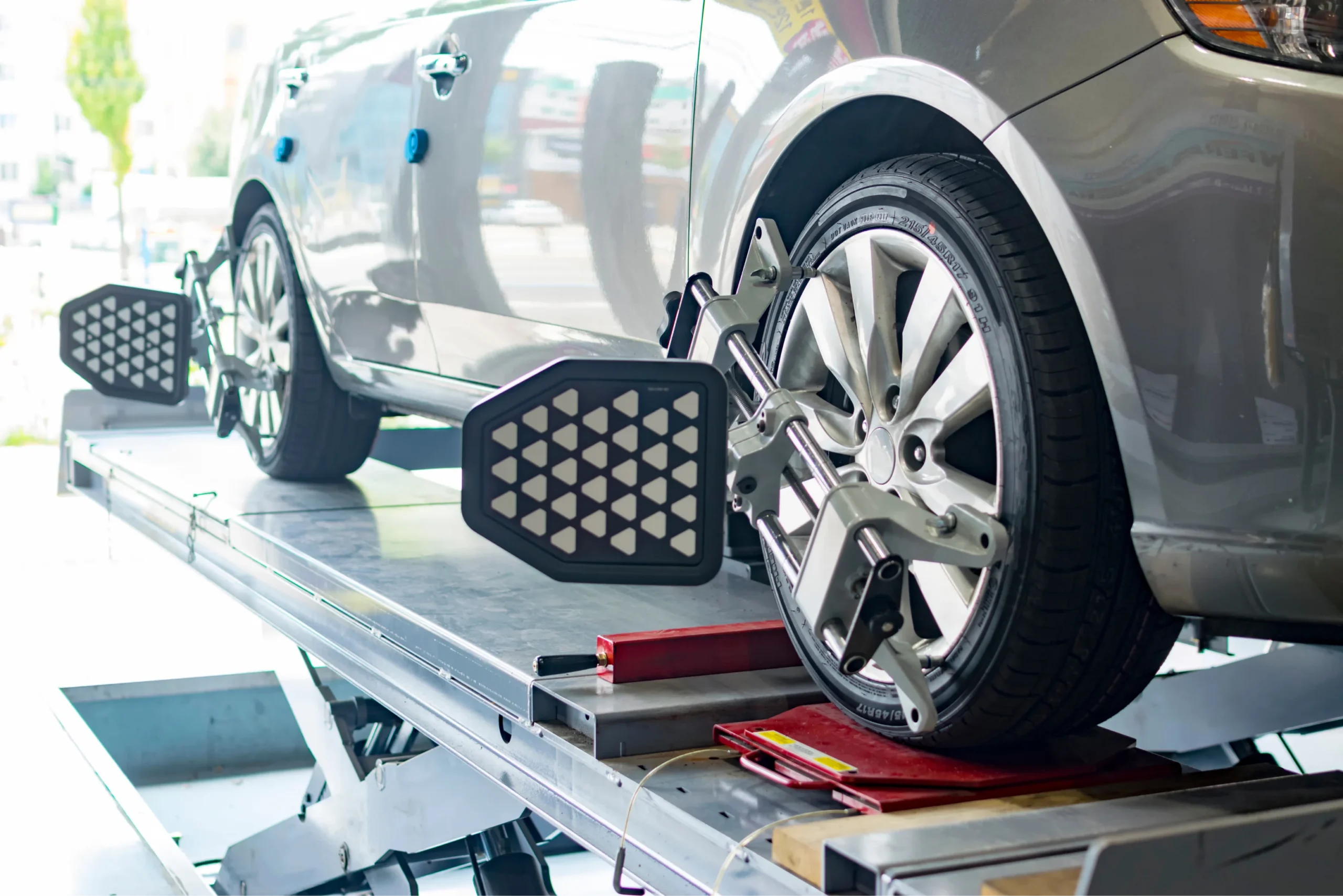
- Even wear — a tyre worn on one edge has less tread where it counts. That's usually alignment.
- Wet-grip performance when you buy — the area where cheaper and better tyres differ most.
Before winter sets in, call in to 151 Totara Street, Mount Maunganui, and we'll check tread, pressures and wear in a few minutes. Call +64 29 777 7122.